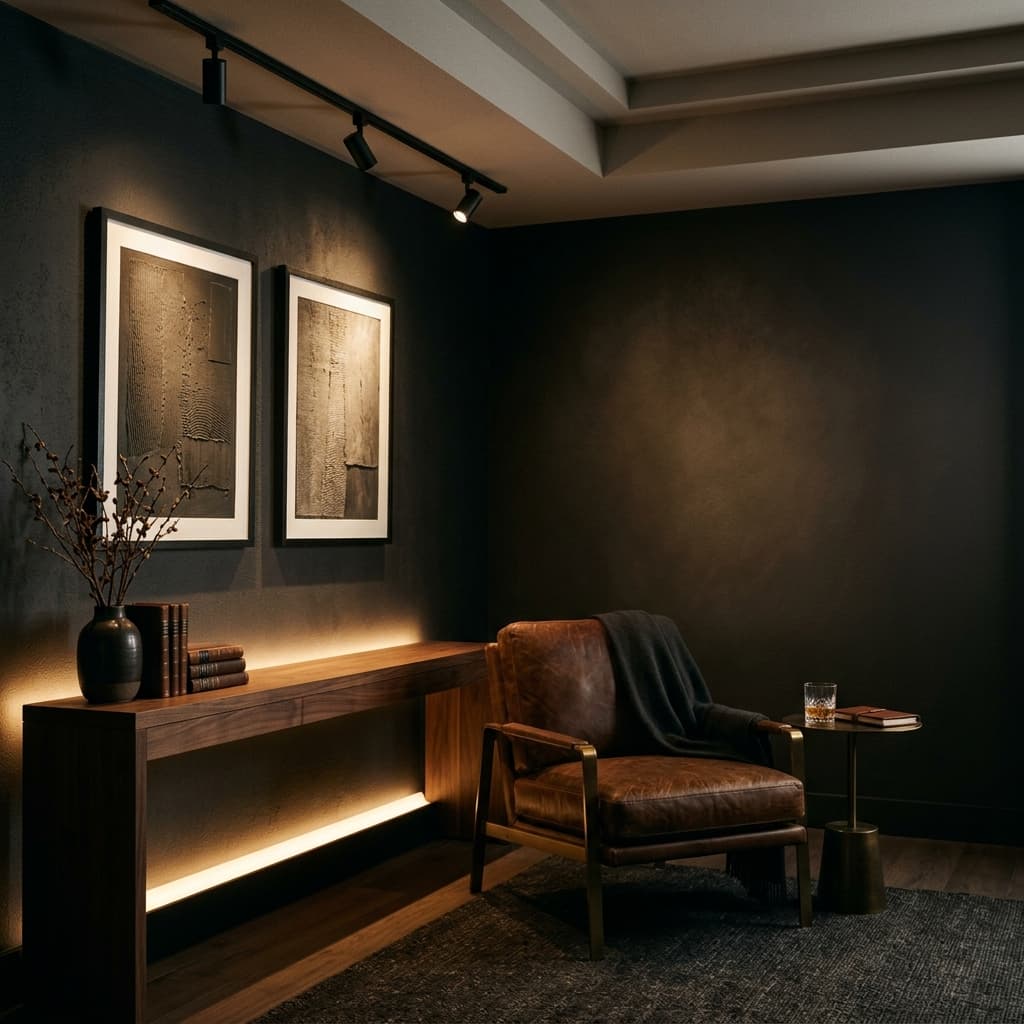
A dark room is not automatically a moody room. Most bad “dark aesthetic” spaces are really just under-lit rooms with one overhead bulb doing all the work. They feel flat, accidental, and a little depressing. Good dark lighting does the opposite: it creates shape, gives materials depth, and tells your eye where to rest.
The easiest way to think about it is this: you are not lighting the whole room evenly. You are lighting surfaces. One wall, one chair zone, one shelf edge, one piece of art. Once you stop chasing brightness and start shaping the room, the whole thing starts to look deliberate.
Layer The Room Or It Will Always Feel Incomplete
A single light source is almost never enough in a dark lounge. Even if that one fixture is expensive, the room still feels unfinished because there is no hierarchy. The reliable setup is three layers:
- Key light: the source that gives the room structure and shadow.
- Task light: a chair lamp, desk lamp, or bar-side practical you actually use.
- Accent light: the low-level glow that keeps the room from collapsing into a black void.
Those layers do not need to be bright. They need to feel different from each other.
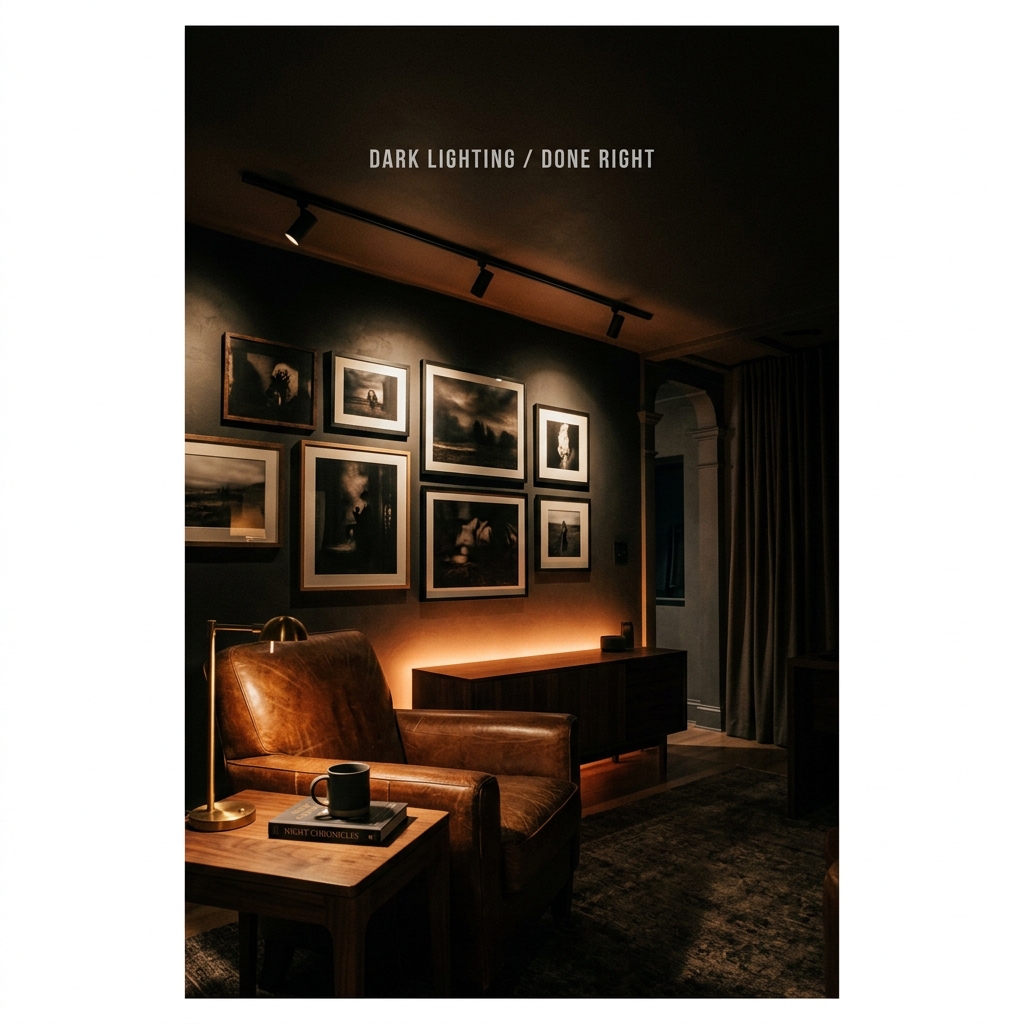
Stay Warm: 2700K Is The Safe Default
If you want leather, wood, and charcoal walls to look expensive, start around 2700K. That warmth gives brown leather real depth, keeps black paint from looking dead, and helps brass read soft instead of yellow. Cooler light can work in kitchens or workspaces; in a moody lounge it usually makes everything look thinner.
The honest version: you do not need to obsess over tiny Kelvin differences. You do need to avoid cool white bulbs and mismatched color temperatures fighting each other in the same room.
Glare Is Usually The Real Problem
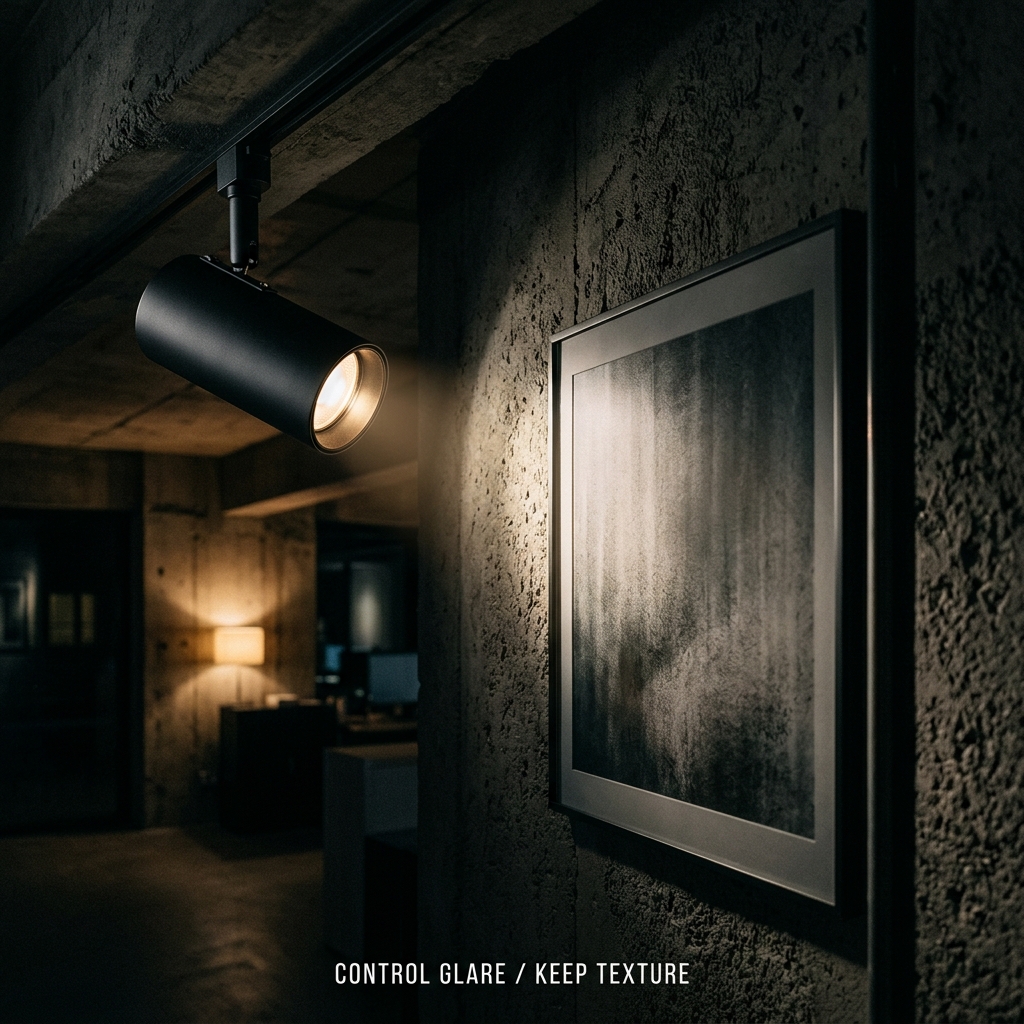
People blame the bulb when the real issue is the angle. If light hits a frame, glossy poster, or dark painted wall head-on, you get glare. The surface stops reading rich and starts acting like a mirror. That is what makes a wall that should look expensive suddenly feel cheap.
The fix is simple: aim light across the wall instead of directly at it. Let it rake the surface. If the room is art-heavy, this matters even more. Pair your lighting plan with Punk & Rock Wall Art Display Strategies so the framing and the light are working together.
Directional Fixtures Beat Generic Ceiling Light
If overhead lighting is part of the room, it has to earn its place. Flat, central ceiling fixtures tend to wash everything out. Matte black track heads, adjustable spots, and restrained sconces work better because they tell the light where to go.
That is why track lighting shows up so often in good dark interiors. It is not trendy. It is useful. You can push light onto one wall, leave another in shadow, and keep the room feeling shaped instead of evenly exposed.
Hidden LED Only Works If You Hide The LED
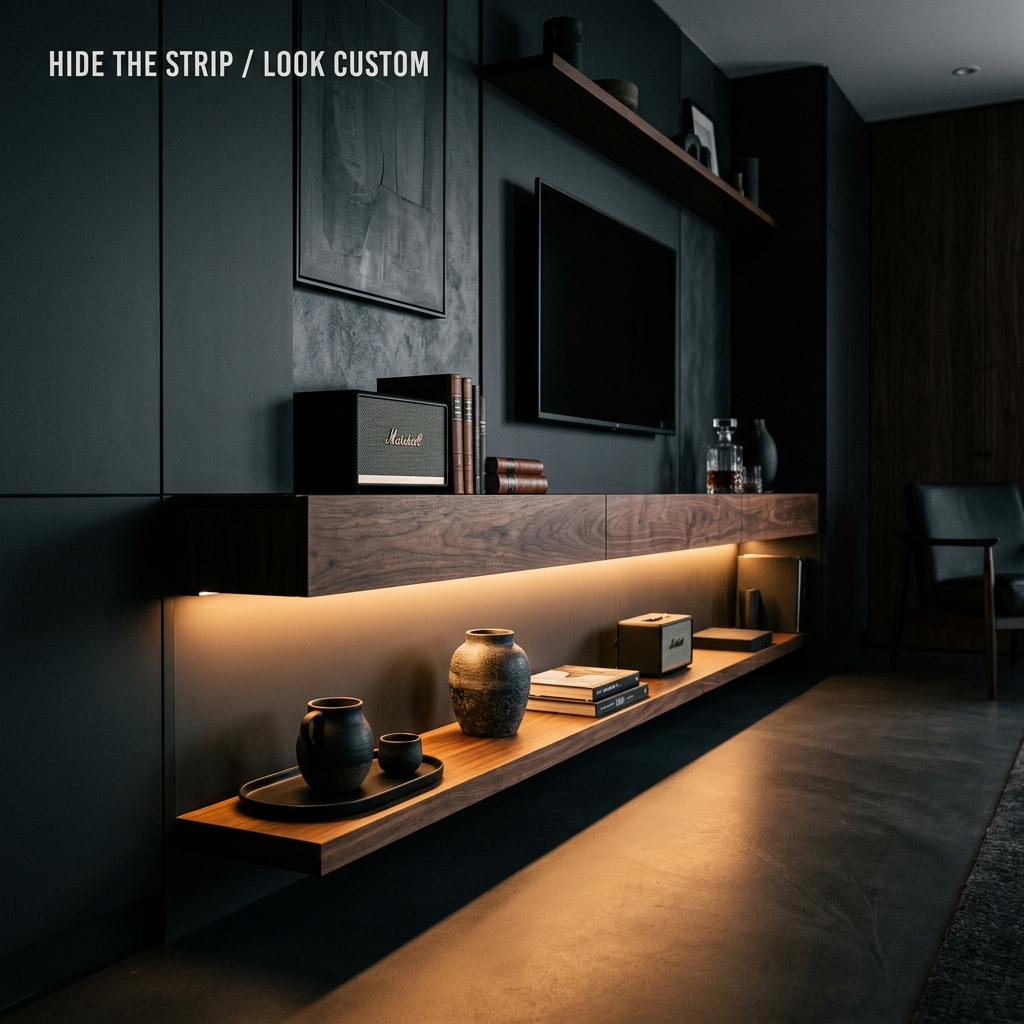
LED strip lighting is not the problem. Visible LED dots are the problem. Once you can see the individual points, the room starts reading dorm room instead of custom build. Diffuser channels and hidden placement are what make the difference.
Use hidden strips under shelving, behind consoles, or along a wall edge where the glow is visible but the strip itself is not. That is what creates the “built-in” effect people are usually trying to fake.
Use One Good Lamp Like A Piece Of Furniture
A strong lamp beside a chair often does more for a room than several smaller fixtures. The lamp becomes part of the composition: a vertical line, a pool of warm light, a practical source that explains why the chair zone feels alive.
If you’re building that chair zone now, cross-check it against How to Create a Moody Lounge Corner. Lighting works best when the furniture layout is already disciplined.
Dimming Is Not Optional In A Dark Room
Good moody lighting is adjustable lighting. The same room should feel different at 4 p.m. than it does at 10 p.m. Dimmers are what let you keep the materials visible without forcing the space into full brightness. If you cannot dim it, you lose half the control that makes this look convincing.
Think In Zones, Not Fixtures
Instead of asking “what light goes here,” ask what the zone needs to do:
- Wall zone: texture, art, shelving, vertical drama.
- Seating zone: comfort, low shadow, enough light for a drink or a page.
- Accent zone: the subtle line of glow that keeps the room breathing.
Once you think that way, the room stops feeling like a list of products and starts feeling designed.
The Mistakes That Flatten Everything
- cool white bulbs in a dark room
- one overhead light with no supporting layers
- aiming lights straight at frames and glossy surfaces
- visible LED strips with no diffuser
- too many lights all doing the same job
Bottom line: moody lighting is not about making the room darker. It is about giving the darkness structure. Warm layers, controlled glare, and clear lighting zones are what make a dark room feel finished.
Recommended Lighting
These picks match the guide: warm 2700K glow, directional control, and hidden LEDs that look built-in. Links are affiliate links; pricing can change.
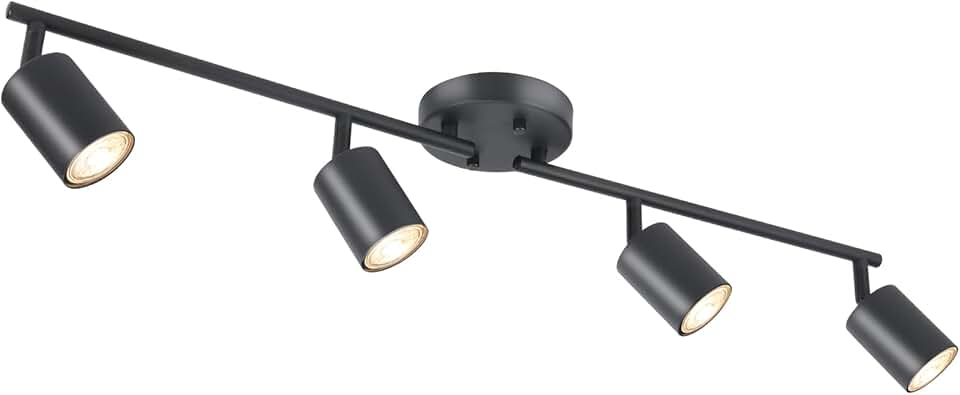
Matte Black Track Lighting (Adjustable Heads)
The most reliable way to get directional light without flooding the room. Aim across walls and frames to control glare.
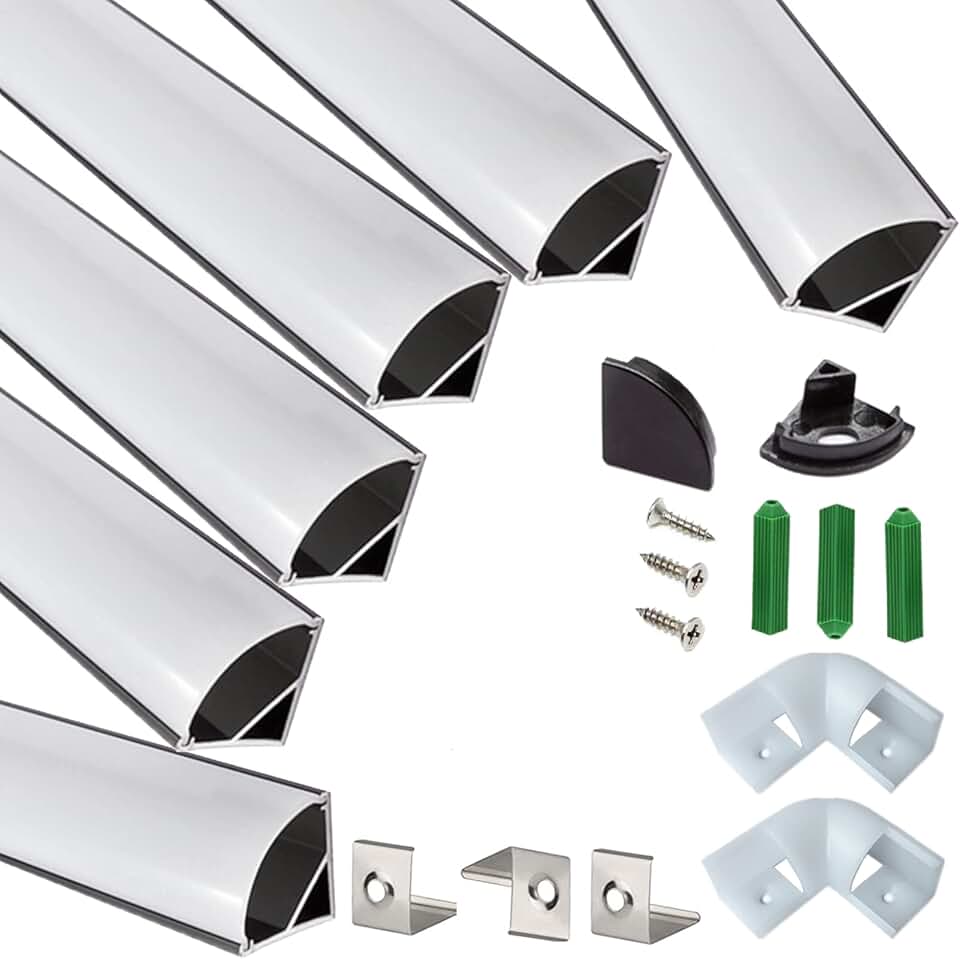
LED Diffuser Channel (Black Aluminum)
Hides cheap LED strips so the light reads integrated. Perfect behind consoles, under shelves, and along wall edges.
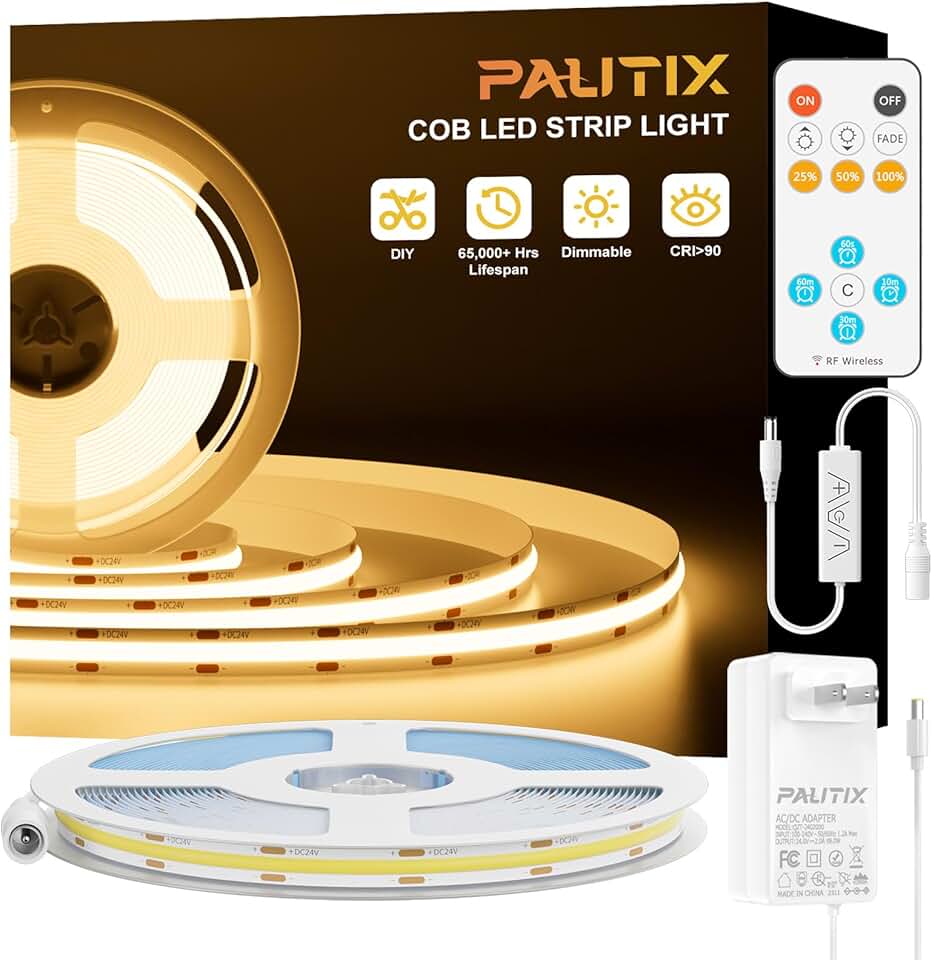
Warm White LED Strip Lights (Dimmable)
Use these inside diffuser channels or hidden behind furniture. Choose warm white and dimming to avoid the cheap dorm look.
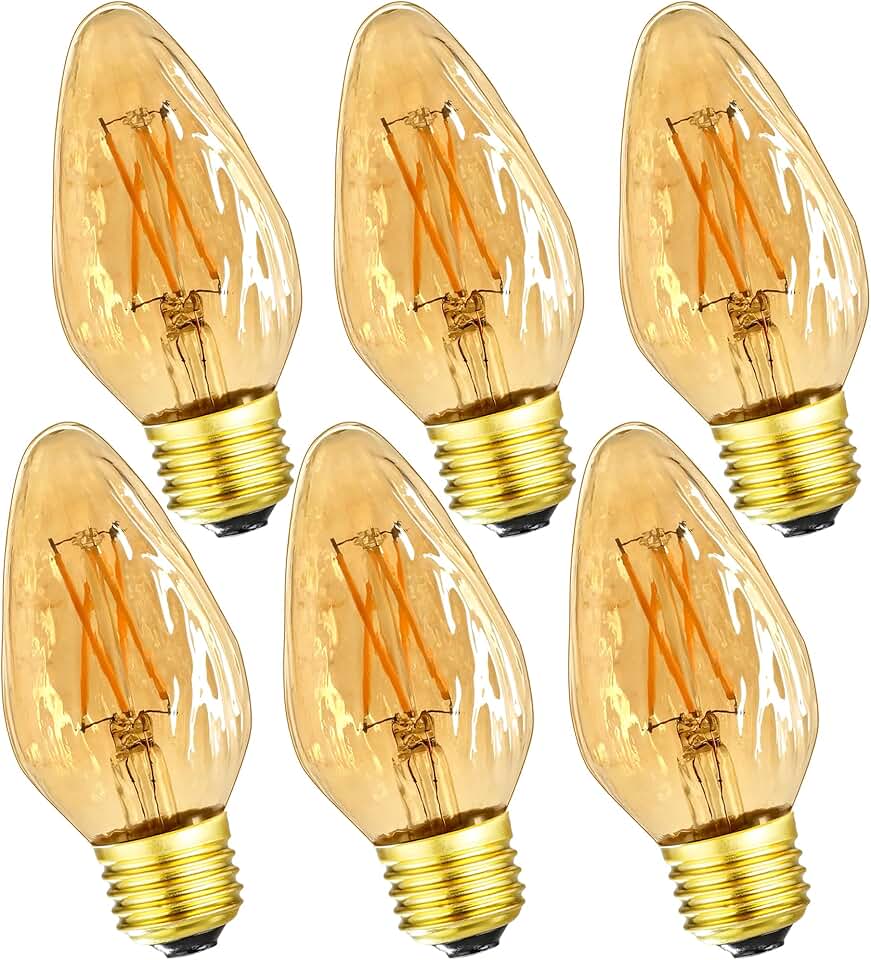
Dimmable Warm / Amber LED Bulbs (2700K)
Warm bulbs make leather and wood look richer, and keep black walls from going flat. Dimmable is non-negotiable.

Armand Black
Founder & Lead Editor. Obsessed with high-contrast design.