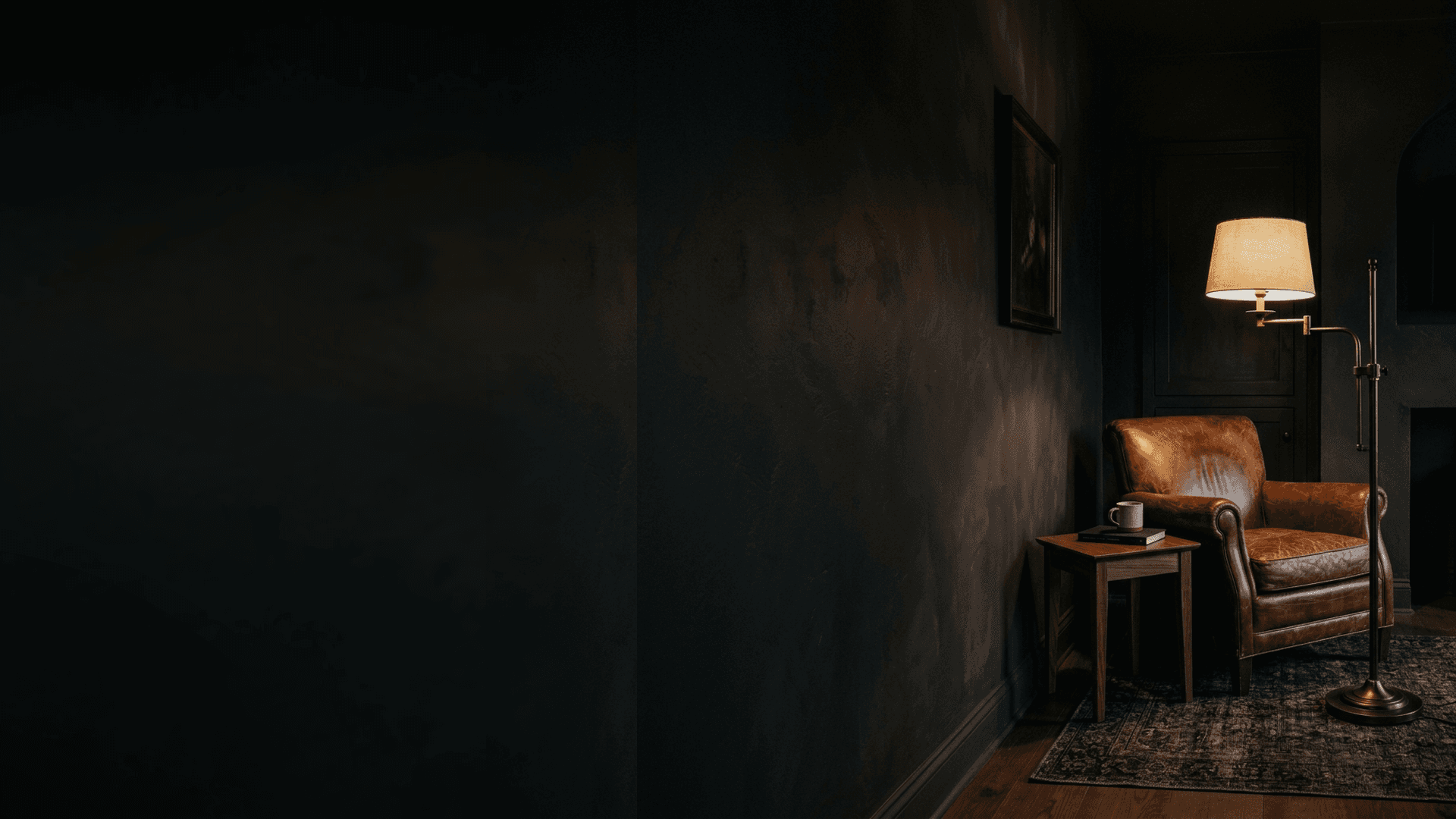
A moody lounge corner is not a shopping list. It is a small part of the room that feels complete enough to stand on its own: one seat you actually want to use, one surface that supports the ritual, and lighting that gives the corner shape instead of flattening it.
Most people get this wrong by trying to add the personality before they build the structure. Neon, posters, bottles, LEDs, candles, trays, extra stools. None of that matters if the corner itself still feels temporary. Start with the room logic first. Then let the details sharpen it.
Decide What The Corner Is For Before You Buy Anything
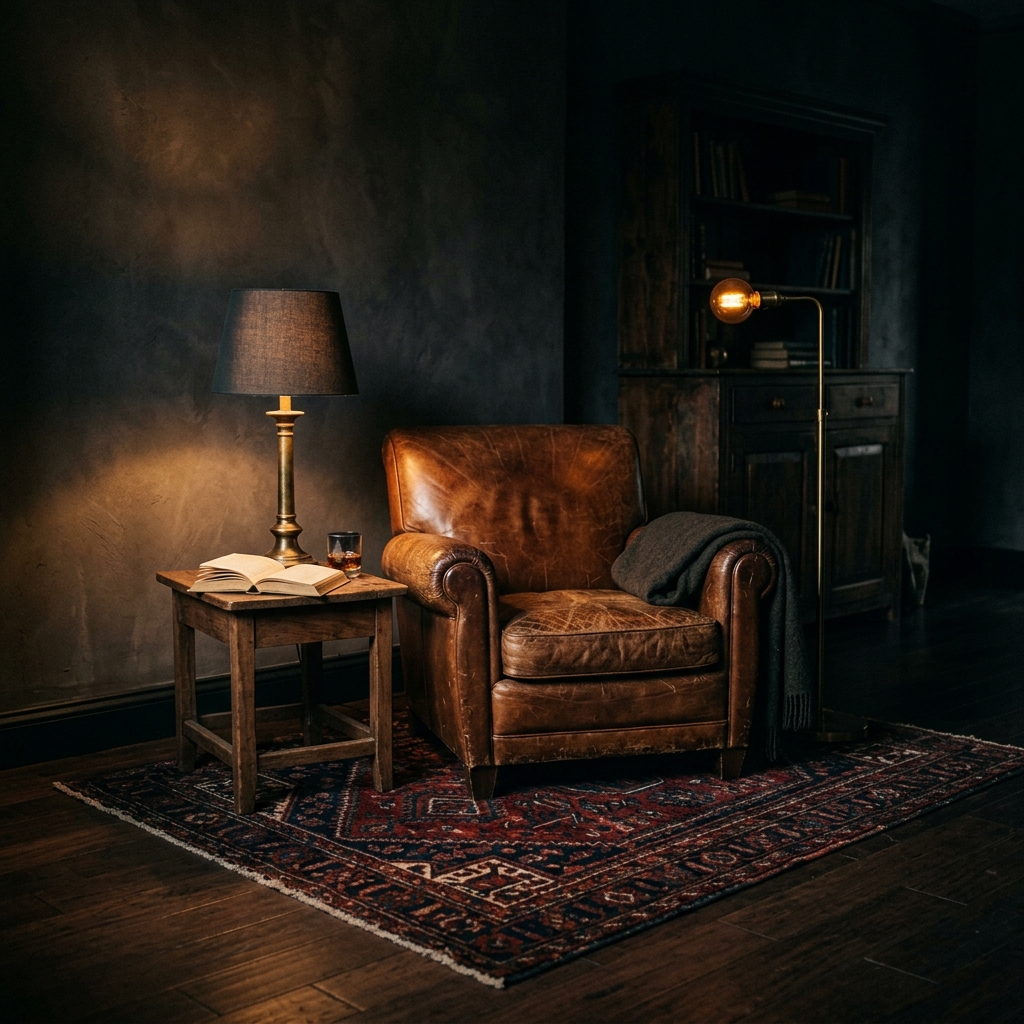
Every good corner has a job. Reading. Nightcap. Records. Quiet conversation. That one decision is what tells you how much surface you need, how close the lamp should be, whether the wall behind it needs art, and how much “stuff” is actually allowed to live there.
A reading corner wants better lamp placement. A whiskey corner wants a steadier surface and more negative space. A listening corner needs the chair angled correctly and the wall behind it controlled so it supports the mood instead of stealing focus.
Work With Tight Proportions, Not Empty Space
You do not need a huge room to make this work. You do need clearances that feel intentional. A 5x7 rug is often enough to define a smaller corner. A 6x9 gives the chair and side table more air if the space allows it. Beside the chair, leave roughly 18–24 inches so the table and lamp do not feel jammed together. If the corner sits near circulation, keep 30–36 inches of walkway when you can.
Those numbers are not there to make the room sterile. They are there to keep the corner from looking accidental.
Choose The Anchor Piece First
The chair decides whether the corner looks temporary or permanent. Small, light accent chairs rarely carry this mood well unless the whole room is built around restraint. In most cases, a chair with more visual mass is the safer move.
If you are still choosing that piece, use How to Choose a Distressed Leather Club Chair first. The room gets easier once the chair is right.
Light The Corner Like A Zone, Not A Ceiling
Overhead light usually ruins this look because it spreads brightness everywhere equally. A lounge corner needs one warm key source that explains the atmosphere and lets the shadows stay where they belong. 2700K is a safe default because it keeps leather, walnut, and charcoal walls rich instead of gray.
The simple rule is to aim light across surfaces, not straight down onto them. That keeps texture alive. It also keeps the corner from turning into a bright island in an otherwise dark room.
For the deeper playbook, use The Ultimate Guide to Dark Lighting Displays.
Use One Surface As The Ritual Center
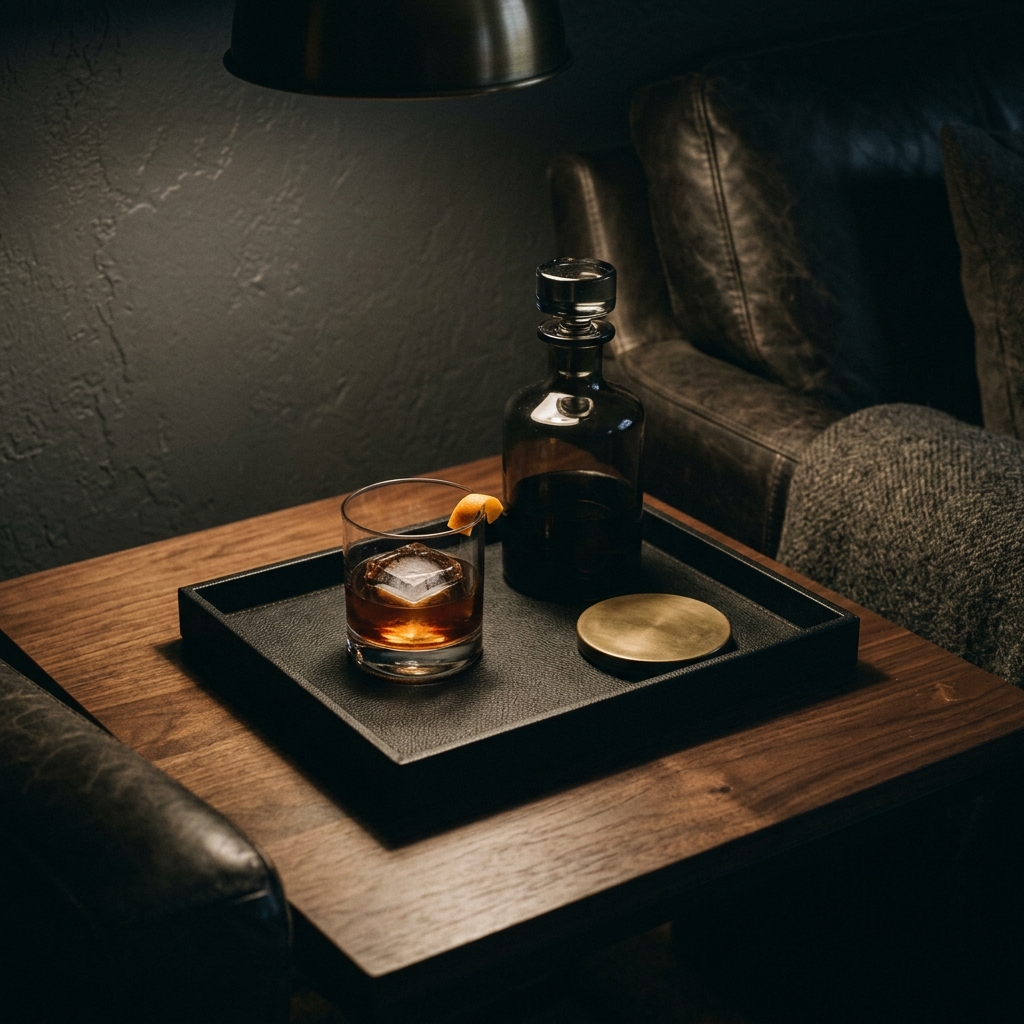
Your side table is not there to “style.” It is there to support the use of the corner. One glass, one book, one tray, maybe one object with real visual weight. That is enough. The quickest way to cheapen the corner is to let the side table become a holding pen for chargers, receipts, and random small objects.
Walnut, dark stone, and blackened metal are reliable because they support the palette without turning loud. Bright white tops and reflective chrome only work if the rest of the room is carrying a completely different language.
Keep The Materials Tight And Let Texture Do The Work
This is where the room starts feeling editorial instead of themed. Keep the palette narrow: charcoal, tobacco leather, walnut, muted brass. Then let the variety come from texture rather than extra colors. Leather grain, a darker rug, matte wall paint, a brushed metal lamp. That is enough contrast for the eye.
If you want the furniture mix to stay coherent, Heavy Leather, Ash Wood Furniture is the right companion piece.
Treat The Wall As A Backdrop, Not A Bulletin Board
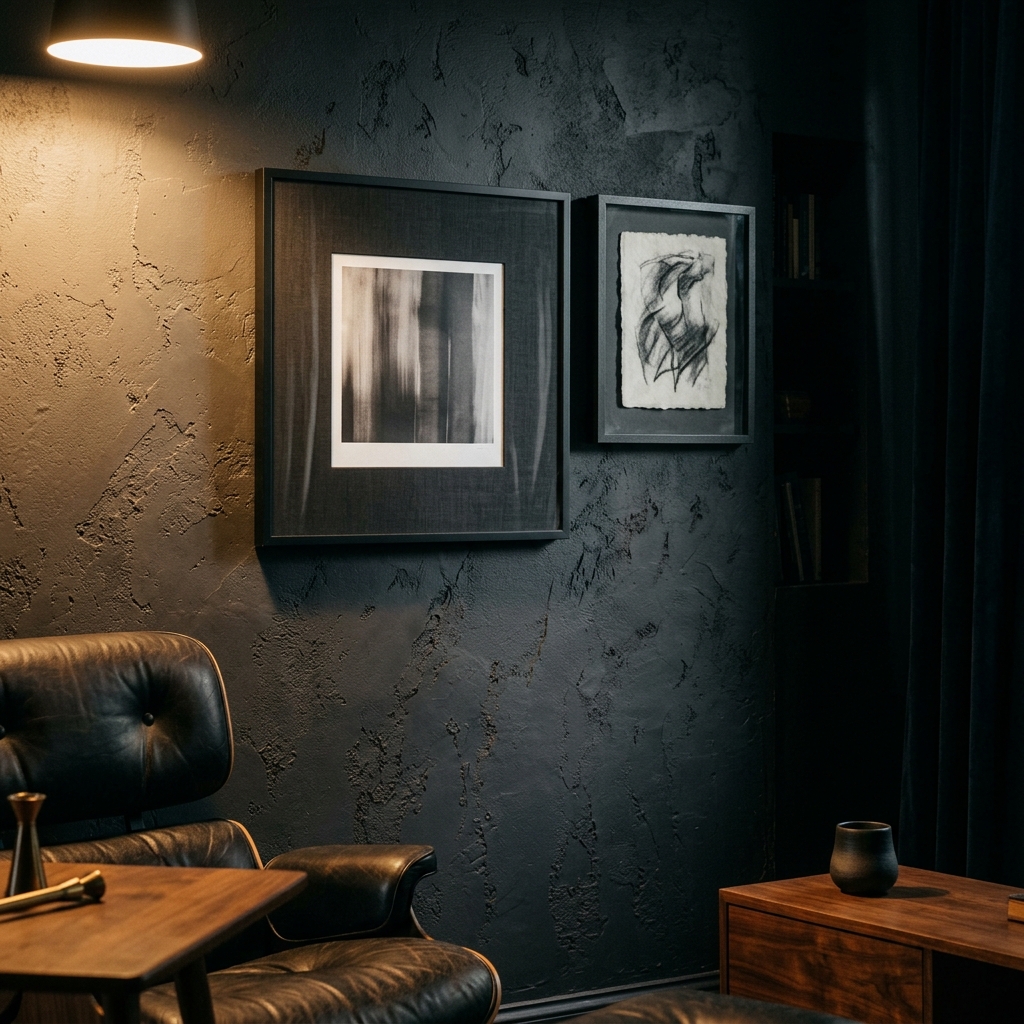
In a small corner, the wall should support the chair zone, not compete with it. One strong framed piece often works better than a scatter wall. If you do use a pair, keep the spacing disciplined and the frame finish consistent.
If the corner leans more bar-forward, borrow the smaller-material logic from Whiskey & Brass: High-End Barware Accents. It will keep the metals and surfaces in the same visual language.
What Makes The Corner Feel Temporary
- cold white bulbs that flatten everything
- too many small objects on the side table
- a chair that is visually too light for the room
- no rug or no defined footprint
- too many competing finishes, especially chrome
Bottom Line
Build the corner like a finished room in miniature: one anchor seat, one honest surface, one warm source of light, and a wall that supports the mood instead of interrupting it. Once those pieces are right, the details stop looking like props and start looking like personality.
Recommended Lounge Basics
These picks match this guide: one warm key light, one solid surface, and simple dimming control. Links are affiliate links; pricing can change.
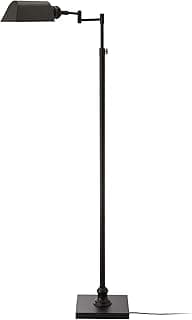
Vintage Pharmacy Floor Lamp (Matte Black + Brass)
A warm, directional key light you can aim across walls and leather. Choose a shade that doesn’t glow cold white, and run it dim.
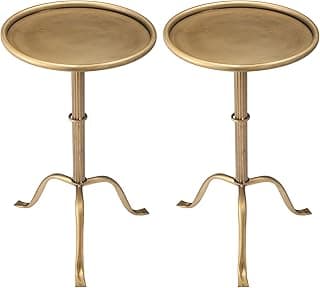
Walnut Martini Side Table (Small Footprint)
The right side table keeps the corner from feeling temporary. Look for a compact top that still fits a glass and a book.
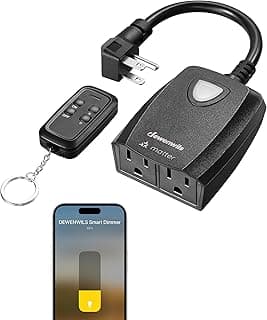
Smart Dimmer Plug (Lamp Control)
The fastest upgrade: dim the lamp from the couch and keep the room in warm low-light instead of full brightness.

Armand Black
Founder & Lead Editor. Obsessed with high-contrast design.